
What Can You Make With Resin 3D Printing?

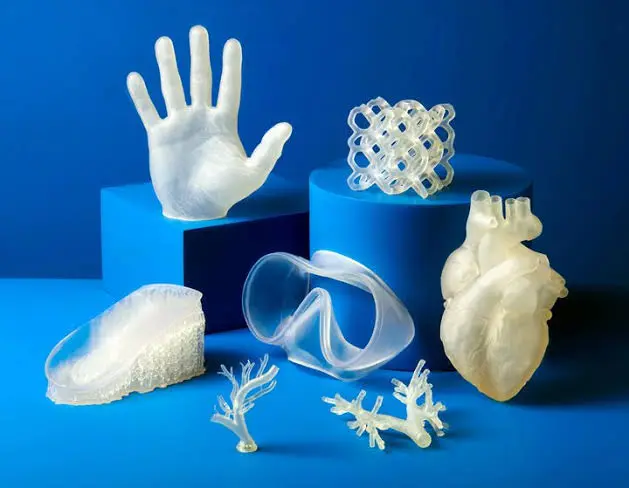
If you have just discovered resin 3D printing, or you are thinking about buying your first resin printer, you probably have one big question: what can I actually make with it?
The short answer is: a lot more than most people expect. Resin printers can produce tiny jewelry patterns, detailed miniatures, dental models, product prototypes, tools, molds, display pieces, and even clear lenses-like parts and light covers. Their secret is extremely fine detail and smooth surfaces, which are hard to get with other types of 3D printing.
In this guide, you will learn what you can make with resin 3D printing, from hobby projects to professional work. You will see real examples for each use, which resin types suit them, what resin printing is not good at, and how to get started, all in plain and simple language.
Why Resin 3D Printing Is So Popular
Before looking at what to make, it helps to understand what resin printing does well.
- Excellent detail. Resin printers can capture tiny features, thin walls, textures, and sharp edges.
- Smooth surface finish. Prints often look polished, with very little visible layer lines.
- Accuracy on small parts. Great for items that need to fit together or look precise.
- A wide range of materials. Standard, tough, flexible, clear, castable, high-temperature, and dental resins are available.
- Fast batch production. On LCD and MSLA printers, you can fill the build plate with many parts and print them in about the time it takes to print one. Our guide on how resin 3D printing works with multiple parts of different heights explains why.
These strengths make resin printing the first choice for small, detailed, high-quality parts.
1. Miniatures, Figurines, and Collectibles
This is the most famous use of resin printing, and it is easy to see why.
What you can make:
- Tabletop gaming miniatures and terrain pieces
- Fantasy and sci-fi figures
- Collectible statues and busts
- Anime and character figures
- Dioramas, scale models, and display pieces
- Chess sets and board game parts
Why resin works: Faces, hair, armor, and tiny details come out crisp and clean, which is hard to match with other methods.
Good to know: Many hobbyists use standard or water-washable resins, then sand, prime, and paint the finished figures. Our guide on the difference between water-washable resin and standard resin can help you choose between the two.
2. Jewelry and Jewelry Patterns
Resin printing has changed the jewelry industry.
What you can make:
- Castable patterns for rings, pendants, earrings, bangles, and charms. The pattern is burned out in a furnace, and metal such as gold, silver, or brass is cast in its place.
- Custom designs and one-off pieces
- Prototypes to show customers before casting
- Test fit models for rings and settings
- Display samples and showroom pieces
Why resin works: Fine prongs, delicate textures, and intricate details can be printed directly from a digital design, without carving wax by hand.
Good to know: Castable resins are specially made to burn out cleanly, so you must use the right resin and follow the manufacturer’s burnout instructions. Our guides on the jewelry casting workflow with 3D printing, post-processing castable resin prints, how to reduce support marks on resin 3D printed jewelry, and how to optimize resin 3D printer build plates for batch jewelry production cover the whole process.
3. Dental Models and Appliances
Dental labs and clinics are among the biggest users of resin printers.
What you can make:
- Study and working models from intraoral scans
- Implant models with analog sockets
- Gingiva masks, the soft replicas of gum tissue used on implant models
- Surgical guides, using approved materials
- Orthodontic models for making aligners
- Splints and appliances, where approved dental resins and workflows are used
- Teaching models for dental students
Why resin works: Dental work needs accuracy, fine margins, and repeatable results. A resin printer driven by a digital workflow can produce them consistently.
Good to know: Dental work has strict rules. Always use resins and workflows approved for your specific use, and follow the manufacturer’s instructions and your local standards. Our guides on dental model accuracy, what causes poor fit in 3D printed dental models, and what a dental gingiva mask is and how it is 3D printed explain these topics.
4. Product Prototypes
Resin printing lets designers and engineers go from an idea to a physical part in a day.
What you can make:
- Appearance models that look like the final product
- Enclosures, housings, and covers
- Buttons, knobs, and small controls
- Snap-fit and fit-check parts
- Packaging and bottle prototypes
- Consumer product mock-ups
- Pitch and presentation models
Why resin works: Smooth, detailed parts can be sanded, primed, and painted to look close to a finished product. Changing a design costs almost nothing extra, since you edit the file and print again.
Good to know: For parts that need to bend or take impact, choose tough or ABS-like resins. Our guides on the difference between tough resin and ABS-like resin, the difference between engineering resin and standard resin, and resin 3D printing for product prototypes vs. CNC or molding help you choose the right material and method.
5. Functional Parts, Jigs, Fixtures, and Tools
Resin printing is not only about looks. With the right resin, it can make useful working parts.
What you can make:
- Jigs and fixtures to hold parts during assembly or machining
- Custom holders for tools, phones, and equipment
- Brackets, clips, and mounts
- Gears and small mechanical parts, for light-duty use
- Spare parts for discontinued or hard-to-find items
- Gaskets, grips, and seals, using flexible resins
- Guides and templates
- Custom tool handles and grips
Why resin works: You can make one-off, custom parts quickly, without ordering from a factory.
Good to know: Resin parts have limits. They can be less impact-resistant and heat-tolerant than metals or injection-molded plastics. Always test parts in real conditions before relying on them.
6. Molds and Mold Masters
Resin printing is widely used to make patterns for molds, which are then used to produce copies in other materials.
What you can make:
- Master patterns for silicone molds, used to cast resin, wax, plaster, soap, chocolate-safe materials (check material safety first), and other materials
- Patterns for urethane casting, for small production runs
- Molds for vacuum forming or thermoforming, using high-temperature resins
- Mold inserts for short-run injection molding, using specialized high-temperature resins (this is an advanced use that depends on your equipment and materials)
- Lost-wax casting patterns, for jewelry and small metal parts
Why resin works: The smooth surface and fine detail of a resin master transfer directly to the mold and the final cast parts.
Good to know: Use the right resin for the job, and check that your mold materials are compatible with resin masters. Some silicones do not cure properly in contact with certain resins, so always test.
7. Art, Sculpture, and Decorative Objects
Artists and designers love resin printers for the freedom they offer.
What you can make:
- Sculptures and busts
- Abstract and geometric art
- Intricate lattice and lace-like pieces
- Decorative vases, bowls, and ornaments
- Lamp shades and light diffusers
- Wall art and 3D relief pieces
- Custom gifts and keepsakes
Why resin works: Complex shapes that are impossible to carve or mold by hand can be printed in one piece.
Good to know: Clear resins can create glass-like effects with careful finishing. Our guides on whether resin 3D printing can produce transparent parts and how to get a smooth, transparent finish on clear resin prints explain how.
8. Architectural and Scale Models
Architects, designers, and students use resin printing for detailed scale models.
What you can make:
- Building and facade models
- Interior design models
- Furniture and fixtures at small scale
- Landscape and city model pieces
- Model railway buildings and details
- Urban planning and presentation models
Why resin works: Fine details such as windows, railings, and textures are captured sharply, which makes models look realistic.
9. Props, Costumes, and Cosplay Details
Resin printing is popular with prop makers and cosplayers.
What you can make:
- Small props and accessories
- Badges, emblems, and buckles
- Armor details and decorations
- Masks and helmet details
- Fantasy weapons and tools
- Costume jewelry
Why resin works: Fine surface details and smooth finish make props look professional once painted.
Good to know: For large props, many people print in sections and join them. Tough resins also help with parts that need to handle some stress.
10. Education, Science, and Medical Models
Teachers, students, and researchers use resin printers to turn ideas and data into physical objects.
What you can make:
- Anatomical models of bones, organs, and body structures for teaching
- Molecule and crystal models
- Geological and fossil replicas
- Engineering and physics demonstration models
- Cutaway models that show internal structures
- Tactile learning aids for students
Why resin works: Models can be made from scan or design data with fine detail, and they are easy to reproduce.
Good to know: Educational and display models are very different from medical devices. Printed models for teaching are fine, but resin parts used in or on the body need approved materials and workflows.
11. Electronics and Hardware Projects
Makers and engineers print custom parts for electronic projects.
What you can make:
- Enclosures and cases for circuit boards
- Buttons, knobs, and panels
- Light pipes and LED holders
- Cable organizers and mounts
- Connectors and housings
- Custom control panels
- Sensor holders and brackets
Why resin works: Resin parts can be very precise, which helps parts fit tightly around components.
Good to know: Be careful about heat. Many standard resins soften at lower temperatures than some electronics produce. Check the resin’s heat resistance on the data sheet, and avoid placing parts directly against hot components.
12. Lighting and Clear Parts
Clear resin lets you make parts that light can pass through.
What you can make:
- Light covers and diffusers
- LED lenses-like decorative covers
- Display windows and viewing panels
- Clear housings for demonstration
- Decorative clear ornaments and sculptures
Why resin works: With careful finishing, clear resin can look glass-like, and it can be made in complex shapes.
Good to know: Printed clear parts are not the same as optical glass. They are great for decoration, covers, and demonstrations, but not for precision optics. Clear resin can also yellow over time, so see our guide on why resin changes color after UV exposure.
13. Custom Gifts, Accessories, and Small Business Products
Many people turn resin printing into a small business.
What you can make and sell:
- Custom keychains, name tags, and charms
- Personalized ornaments and decorations
- Phone stands and desk accessories
- Custom figurines from photos or designs
- Cake toppers and event decorations
- Cufflinks, buttons, and fashion accessories
- Pet tags and small custom items
- Branded promotional items
Why resin works: You can offer unique, personalized products without large minimum orders. Batch printing lets you make many small items in one run.
Good to know: If you plan to sell items, check the rules for your market, including safety and intellectual property. Do not copy or sell designs that belong to others without permission.
14. Hobby and Model Marking
Hobbyists use resin printing in many areas.
What you can make:
- Scale vehicle parts and details
- Model railway accessories
- Model aircraft and ship details
- RC car and drone small parts
- Custom wheels, grilles, and dashboards
- Restoration parts for old models
- Dollhouse furniture and miniatures
Why resin works: Small, detailed parts are exactly where resin shines.
15. Parts Combined With Other Processes
Resin printing also works well alongside other technologies.
- Laser marking. Printed or cast metal parts can be marked with logos, serial numbers, and codes using a fiber laser. See our guides on how to mark logos on rings and other small curved objects and the difference between 2D and 3D laser marking.
- Casting. Resin patterns can be turned into metal parts.
- Painting and finishing. Printed parts can be sanded, primed, painted, and polished.
- Assembly. Printed parts can be glued, pinned, and combined with metal, wood, and electronics.
What Resin 3D Printing Is Not Good At
Being honest about the limits helps you choose the right tool.
- Large, heavy, load-bearing parts. Resin parts are usually smaller and more brittle than metal or injection-molded parts. Large parts also use a lot of resin.
- High-temperature uses. Standard resins soften at modest temperatures. High-temperature resins help, but have limits.
- Long-term outdoor use. Sunlight, heat, and moisture can age resin parts.
- Food-safe items. Most resins are not food-safe. Do not use ordinary resin parts for food or drink contact unless the manufacturer clearly says a resin is suitable and gives instructions.
- Parts that must bend many times. Standard resin can crack. Flexible or durable resins help for some uses.
- Very large production runs. Injection molding is usually cheaper for thousands of identical parts.
- Precision optics. Printed clear parts are not a replacement for optical glass or acrylic.
- Anything involving the body without approved materials. Wearable and medical uses need proper approved materials and workflows.
Also remember that liquid resin is a chemical and needs careful handling. Our guide on resin 3D printing safety covers ventilation, gloves, storage, and waste disposal.
Which Resin Should You Use for What?
The resin you choose depends on what you want to make.
| What You Want to Make | Resin Type to Consider |
|---|---|
| Miniatures, figurines, display models | Standard or water-washable resin |
| Jewelry patterns for casting | Castable resin |
| Dental models and appliances | Approved dental resins |
| Gingiva masks and soft parts | Flexible or gingiva resins |
| Functional prototypes and snap fits | Tough or ABS-like resin |
| Gaskets, grips, and soft parts | Flexible resin |
| Parts near heat, molds | High-temperature resin |
| Light covers and clear parts | Clear resin |
| General hobby parts | Standard resin |
For deeper comparisons, read our guides on the difference between engineering resin and standard resin and whether you can mix different brands of 3D printer resin. Always read the data sheet, and do not mix resins unless the manufacturer says it is safe.
How to Get Started With Resin 3D Printing
If this list has made you want to try resin printing, here are simple steps to begin.
Step 1: Decide What You Want to Make
Start with your main goal, such as miniatures, jewelry, dental work, or prototypes. This decides which printer and resin suit you best.
Step 2: Choose a Printer
Look at build volume, resolution, and reliability. Our guides on how to compare resin 3D printers by build volume and XY resolution and 8K vs 16K resin 3D printers can help. You can also explore our range of resin 3D printers.
Step 3: Choose Your Resin
Pick a resin that matches your project, and check that it suits your printer.
Step 4: Set Up a Safe Workspace
Use good ventilation, wear nitrile gloves and eye protection, and keep resin away from children and pets.
Step 5: Learn the Basics of Printer Setup
Level the build plate, and set the Z zero correctly. Our guide on how to calibrate your resin 3D printer’s Z-axis and level the build plate walks you through it.
Step 6: Start With Simple Test Prints
Print a calibration model, then a small, simple object. Check the results, and adjust slowly.
Step 7: Learn Washing and Curing
Follow your resin’s instructions for washing and curing. These steps affect strength, accuracy, and color.
Step 8: Learn From Failures
Print failures are normal when you are starting. Our guide on why resin 3D prints fail helps you find and fix the cause, and our guide on how to remove cured resin from a 3D printer vat safely explains how to clean up after one.
Step 9: Look After Your Printer
Keep the film, vat, screen, and Z-axis in good condition. See our guides on NFEP film and when to replace a resin printer’s LCD screen.
Step 10: Grow Your Skills
Once the basics feel comfortable, try new projects, new resins, and new finishing methods.
Common Mistakes Beginners Make
- Buying a printer without thinking about what they want to make
- Skipping safety gear and ventilation
- Not leveling the build plate
- Using the wrong resin for the project
- Mixing different resins
- Over-curing parts, making them brittle or yellow
- Expecting supports to leave no marks
- Pouring liquid resin or dirty IPA down the drain
- Ignoring a worn film or dirty vat
- Giving up after the first failed print
Quick Ideas to Start With
If you are not sure where to begin, here are some simple first projects.
- A small miniature or figurine
- A phone stand or desk organizer
- A keychain with your name
- A simple ring or pendant pattern
- A small enclosure for a hobby electronics project
- A set of chess pieces
- A light cover for an LED lamp
- A calibration cube or test model, for learning
Simple projects teach you the basics, and then you can move to more advanced work.
FAQ
What can you make with a resin 3D printer?
You can make miniatures, jewelry patterns, dental models, product prototypes, jigs and tools, molds, art, architectural models, props, educational models, electronics enclosures, light covers, and many small custom items.
What is resin 3D printing best for?
Small, detailed parts that need smooth surfaces and fine detail, such as miniatures, jewelry, dental models, and appearance prototypes.
Can you make jewelry with a resin 3D printer?
Yes. Castable resin patterns can be burned out and cast in metal such as gold, silver, or brass. You can also print display pieces and prototypes.
Can you make strong parts with resin?
Yes, with tough, ABS-like, or other engineering resins. They are stronger than standard resin, but still have limits compared with metal or molded plastic.
Is resin 3D printing good for functional parts?
For light-duty and custom parts, yes. For heavy loads, high heat, or long outdoor use, other materials may be better.
Can I make food-safe items with resin?
Ordinary resin is generally not food-safe. Do not use it for food or drink contact unless the manufacturer clearly says the resin is suitable and gives instructions.
Can I sell things I make with a resin printer?
Yes, many people do. Check the rules for your market, make sure you have the right to use the designs, and use suitable materials for each product.
How big can resin prints be?
It depends on your printer’s build volume. Most are best for small to medium parts, and larger parts can be printed in sections and joined.
Is resin printing better than filament printing?
It is better for fine detail and smooth surfaces. Filament printing is often better for large, low-cost, and strong parts. The best choice depends on your project.
Do I need experience to start resin printing?
No. Beginners can start with simple projects, as long as they follow safety rules and learn the basics step by step.
Conclusion
So, what can you make with resin 3D printing? Almost anything small, detailed, and smooth.
From miniatures, jewelry patterns, and dental models to product prototypes, jigs, molds, art, models, and custom gifts, resin printers open up a huge range of possibilities. They are not perfect for everything, since large, heavy, hot, or food-contact parts need other solutions, but for fine detail they are hard to beat. Start with a clear goal, choose the right printer and resin, follow good safety habits, and begin with simple projects. Soon you will find your own favorite things to make.
If you are ready to start or grow your resin printing, explore our range of resin 3D printers, resins, and accessories at MCast 3D. If you are not sure which printer or resin suits your projects, contact our team and we will help you choose.