3D Printer for Dentistry: A Practical Guide to Dental 3D Printing

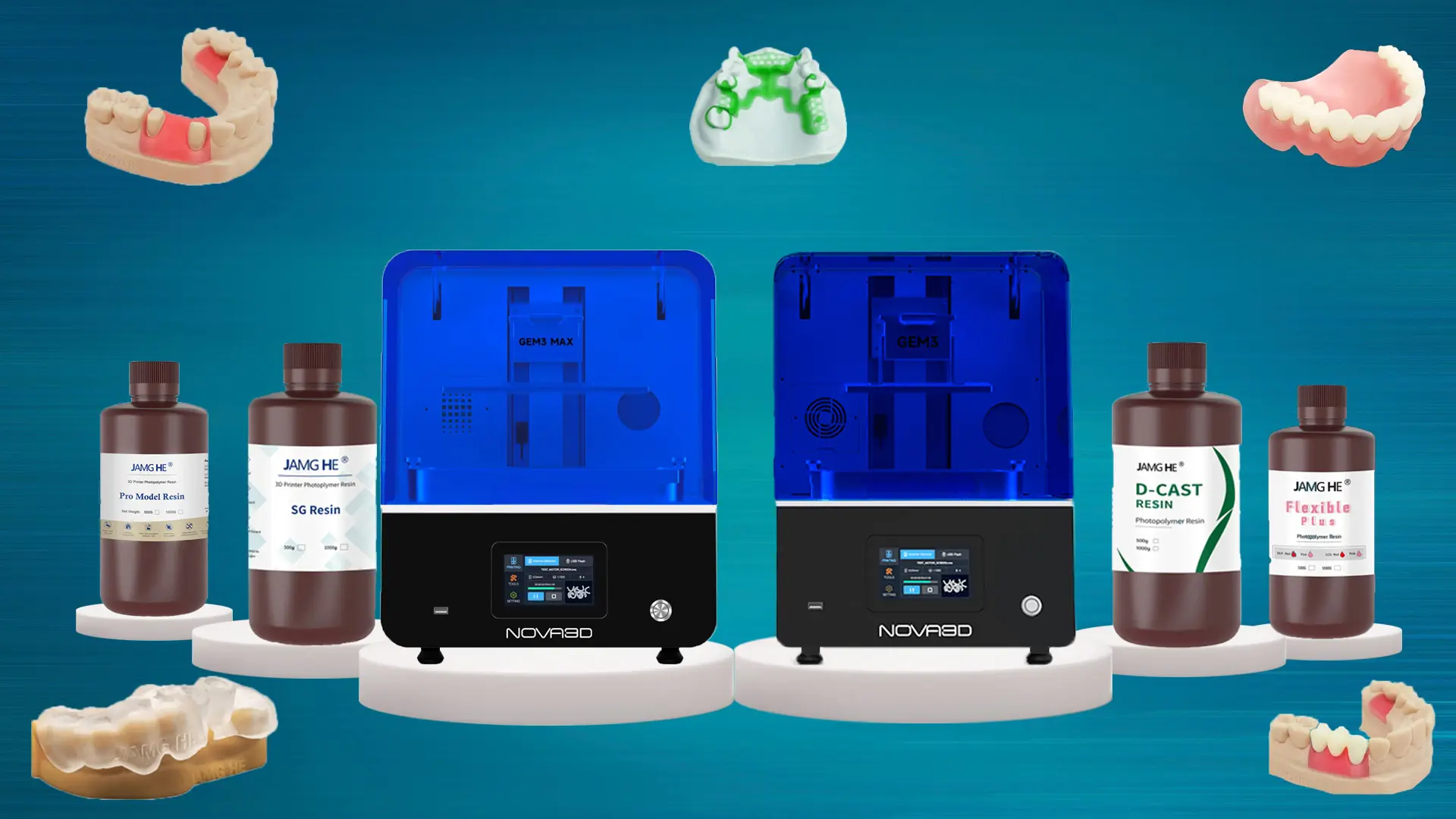
Digital dentistry has changed how dental professionals create models, appliances, and treatment-related components.
A 3D printer for dentistry can turn digital designs into accurate physical objects.
This creates a connection between scanning, CAD design, printing, and post-processing.
From Digital Scan to Printed Model
A typical workflow starts with an intraoral scanner or another digital scanning method.
The digital file is then processed using suitable dental CAD software.
Preparing the Digital File
The completed design is exported into a compatible file format.
The file can then be prepared using slicing software.
Support structures and print orientation are adjusted during this stage.
Producing the Physical Model
The prepared file is sent to the dental 3D printer.
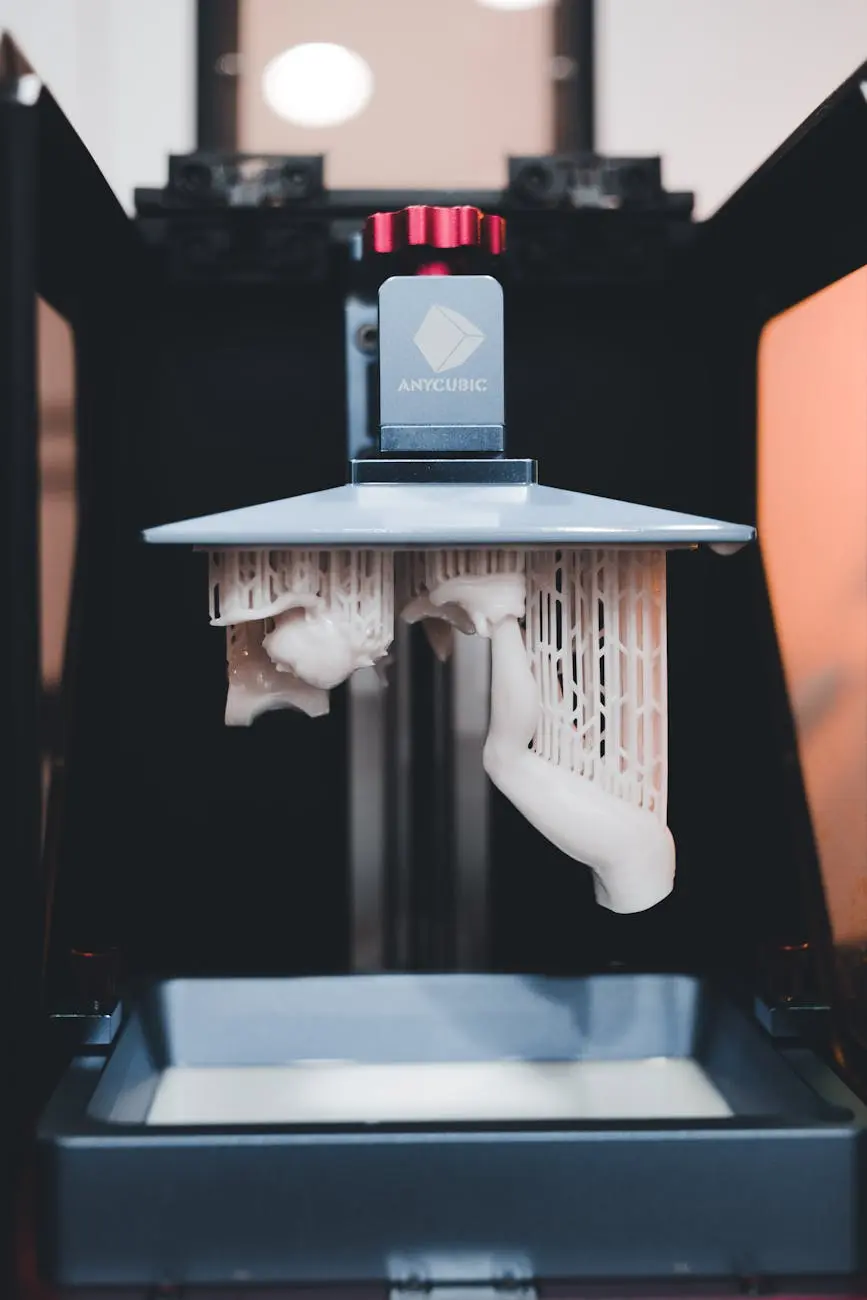
A resin printer cures liquid photopolymer resin layer by layer.
The result is a physical model created from the original digital design.
Why Resin Printing Is Popular in Dentistry
Resin 3D printers can produce highly detailed models with smooth surfaces.
This makes them useful for many dental laboratory and digital dentistry workflows.
Common applications include:
- Dental models
- Orthodontic models
- Denture workflows
- Surgical planning models
- Temporary restorations
- Dental prototypes
- Custom dental appliances
The suitable printer depends on the application and required material.
The resin must also be specifically suitable for its intended dental application.
Choosing the Right Dental 3D Printer
A dental printer should not be selected by resolution alone.
Print accuracy, repeatability, software compatibility, resin support, and workflow requirements also matter.
Post-processing is equally important for achieving consistent results.
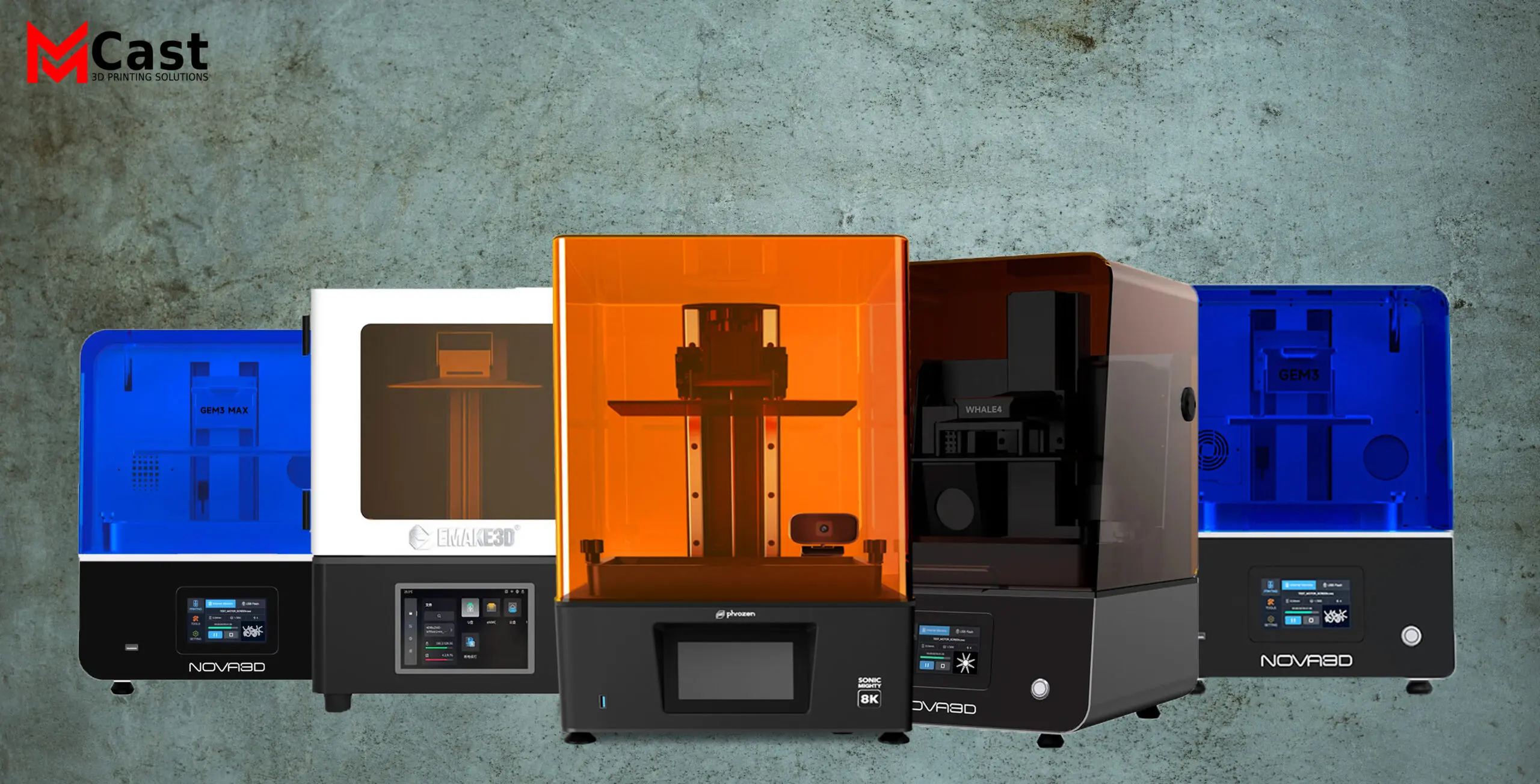
MCast 3D currently offers dedicated Nova3D GEM3 Dental and Nova3D GEM3 Max Dental printers.
What Makes a 3D Printer Suitable for Dentistry?
Not every resin printer is automatically suitable for dental applications.
Dental workflows often require greater consistency than general hobby printing.
Print Accuracy and Detail
Dental models contain small features that require precise reproduction.
A suitable printer should produce sharp edges and consistent surface details.
Resolution Is Only One Factor
Higher resolution can improve detail reproduction.
However, resolution alone does not guarantee accurate dental prints.
Light uniformity, mechanical stability, resin settings, and calibration also affect results.
Repeatability Matters
Dental laboratories may need to produce similar models repeatedly.
A printer should therefore deliver consistent results across multiple print jobs.
Consistent Production
Repeatability helps reduce failed prints and unnecessary material consumption.
It can also make production planning easier for dental laboratories.
Resin Compatibility
The printer should support materials appropriate for the intended dental workflow.
Different applications require different resin properties and certifications.
MCast 3D offers several dental-focused Jamg HE resins for specific applications.
This includes materials for temporary C&B work, surgical guides, denture bases, and orthodontic models.
Common Dental Applications of 3D Printing
Dental 3D printing can support several stages of a modern digital workflow. The application determines the printer, resin, and post-processing requirements.
Dental Models
Dental models are among the most common applications for resin 3D printing.
Accurate Physical Models
Digital scans can be converted into physical models for various dental workflows.
High-resolution resin printing can reproduce teeth, arches, and other fine anatomical details.
These models can support treatment planning, education, demonstrations, and laboratory procedures.
Orthodontic Models
Orthodontic workflows can also benefit from digital model production.
Printed models can help technicians review dental structures and prepare certain appliances.
MCast currently offers JAMG HE Ortho Model Resin for orthodontic model applications.
Surgical Guide Printing
Surgical guides require careful digital design and appropriate material selection.
Why Guide Accuracy Matters
Small deviations can affect how a digitally designed guide fits.
A suitable printer should therefore provide consistent dimensional reproduction.
The resin must also be specifically intended for surgical guide applications.
MCast lists JAMG HE Surgical Guide Resin within its dental resin range.
Always follow the material manufacturer’s intended use and processing instructions.
Temporary Dental Restorations
Resin printing can also support certain temporary restoration workflows.
Temporary Crowns and Bridges
MCast offers Jamg HE Temporary C&B Resin for temporary crown and bridge applications.
The product is described as a dental material designed for temporary restorations.
It is intended for workflows requiring accurate and polished temporary components.
Dental professionals should always follow the resin manufacturer’s instructions for use.
Denture and Gingiva Workflows
Digital dentistry can simplify several stages of denture-related production.
Denture Base Models
A suitable dental printer can produce detailed physical components from digital designs.
MCast currently lists Denture Base Resin within its Jamg HE dental resin range.
Gingiva Simulation
Digital dental models can also include gingival structures.
MCast offers Jamg HE Gingiva Mask Resin Pink for this type of workflow.
These materials demonstrate why resin selection should follow the specific application.
Dental Casting Applications
Some dental workflows require patterns rather than final restorative materials.
Castable Dental Resin
Castable resin can be used when a printed pattern forms part of a casting workflow.
The material must be formulated for suitable burnout and casting conditions.
MCast currently lists Dental Castable Resin Green within its dental resin selection.
The exact workflow depends on the resin manufacturer’s technical requirements.
Key Features to Look for in a Dental 3D Printer
Choosing a dental 3D printer requires more than checking its resolution.
The printer should match your materials, workflow, production volume, and required accuracy.
Print Resolution and Accuracy
Fine dental structures require detailed and consistent printing.
A high-resolution printer can reproduce small features with greater clarity.
Look Beyond the Resolution Number
Resolution is important, but it does not tell the whole story.
Light uniformity, mechanical stability, calibration, and resin settings also affect print quality.
A well-balanced printer can produce better results than one with higher resolution alone.
Build Volume
Build volume determines how many models you can produce together.
Smaller Dental Workflows
A compact printer can work well for smaller laboratories and clinics.
It may also require less workspace and material for each production cycle.
Higher Production Requirements
Larger build areas can support multiple models in one printing session.
This can improve efficiency when a laboratory handles regular production.
Resin Compatibility
Material compatibility is essential in dental 3D printing.
Different applications require different mechanical and biological properties.
Match Resin to the Application
Temporary restorations require different materials from dental models.
Surgical guides also require materials specifically intended for that purpose.
Always check the resin manufacturer’s intended application and instructions.
Printing Speed
Speed becomes important when printing is part of daily production.
Speed Versus Reliability
A faster printer is not automatically better for every dental laboratory.
Consistent successful prints can be more valuable than maximum advertised speed.
Failed prints increase material usage and can delay the workflow.
Software and File Compatibility
Dental printing starts with digital files.
The printer should therefore work smoothly with your existing software workflow.
Slicing and Preparation
Good slicing software can simplify orientation and support generation.
Common file formats should also be supported by the complete workflow.
Ease of Maintenance
Dental laboratories need predictable equipment.
Simple maintenance can reduce downtime between production jobs.
Regular cleaning, resin handling, vat inspection, and platform maintenance remain important.
Workflow Reliability
A dental printer should fit naturally into the complete digital workflow.
The goal is consistent production rather than impressive specifications alone.
MCast currently lists dedicated dental versions of the Nova3D GEM3 and GEM3 Max.
Nova3D GEM3 Dental – A Focused Option for Digital Dental Workflows

A dental laboratory needs equipment that fits its existing workflow.
The Nova3D GEM3 Dental is designed around the needs of professional dental printing.
It can support workflows where detail, consistency, and efficient production are important.
Where the GEM3 Dental Fits
The printer can be considered for dental laboratories and professionals using digital workflows.
Its role is to convert prepared digital designs into physical dental models.
Dental Model Production
Dental models require clear reproduction of teeth and anatomical structures.
A suitable resin printer should maintain consistent detail across repeated jobs.
The GEM3 Dental can fit workflows involving model production and related applications.
Working With Dental Resins
Printer selection should always consider the materials used in the workflow.
Different dental applications require different resin characteristics.
The GEM3 Dental should therefore be paired with resins intended for the specific application.
Why Consider a Dental-Specific Printer?
A general-purpose resin printer may produce detailed models.
However, dental workflows can have more specific requirements.
A More Focused Workflow
A dedicated dental printer can simplify equipment selection for dental professionals.
It can also make the overall workflow easier to standardize.
The printer should still be evaluated alongside the intended resin and software.
Who Should Consider the GEM3 Dental?
The Nova3D GEM3 Dental may be worth considering for:
- Dental laboratories
- Dental clinics with digital workflows
- Dental technicians
- Orthodontic workflows
- Educational dental facilities
The right choice ultimately depends on your required applications and production volume.
For professionals looking for a dedicated dental 3D printer, the GEM3 Dental provides a focused option within the MCast 3D range.
view productNova3D GEM3 Max Dental – More Capacity for Growing Dental Workflows
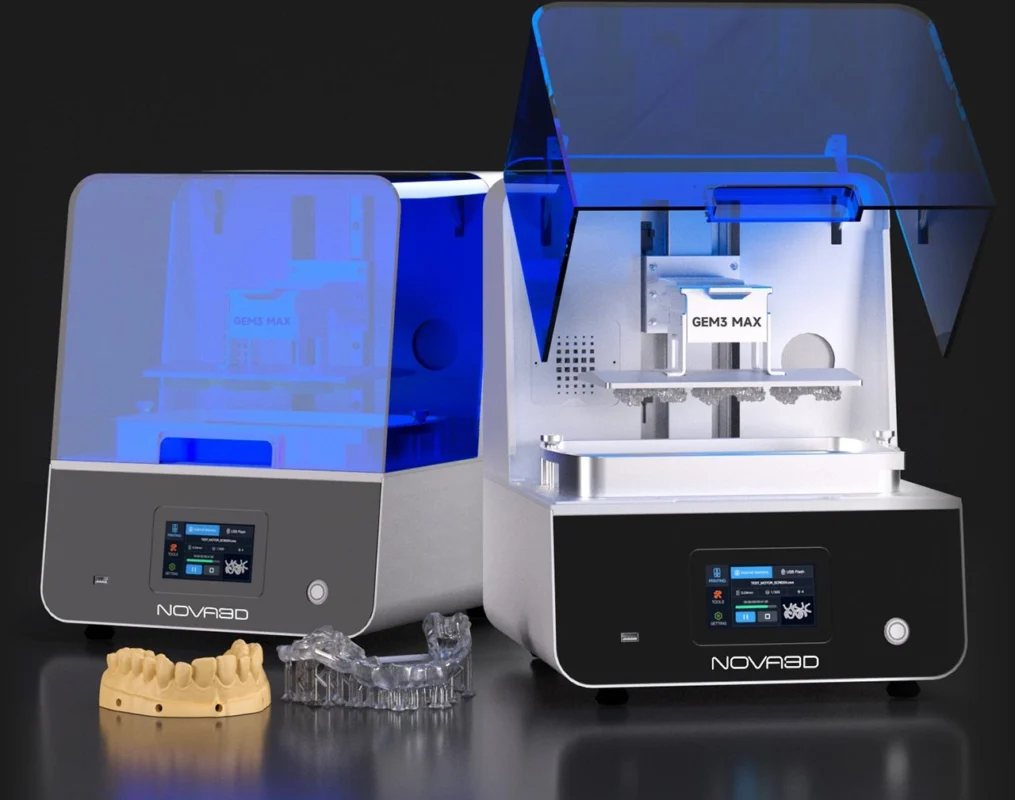
Dental laboratories often need to produce multiple models within the same working day.
As production increases, printing capacity becomes an important consideration.
The Nova3D GEM3 Max Dental provides a larger format for professional dental workflows.
When More Printing Space Matters
A larger build area can allow several models to be arranged in one print job.
This can reduce the number of separate printing cycles.
Supporting Higher Production
Batch printing can be useful for laboratories handling multiple cases.
It can also help organize production around daily laboratory schedules.
The GEM3 Max Dental is therefore worth considering when workflow capacity becomes a priority.
Detail Still Matters
Additional build space should not mean sacrificing print quality.
Dental models require clear reproduction of small anatomical features.
The GEM3 Max platform uses a high-resolution exposure system and uniform light technology.
These features support detailed and consistent resin printing.
Who May Benefit From the GEM3 Max Dental?
The printer can be considered by:
- Dental laboratories
- Larger dental production teams
- Dental technicians
- Digital dentistry workflows
- Facilities handling multiple cases
The best choice still depends on your required applications and production volume.
GEM3 Dental or GEM3 Max Dental?
The basic difference is workflow capacity.
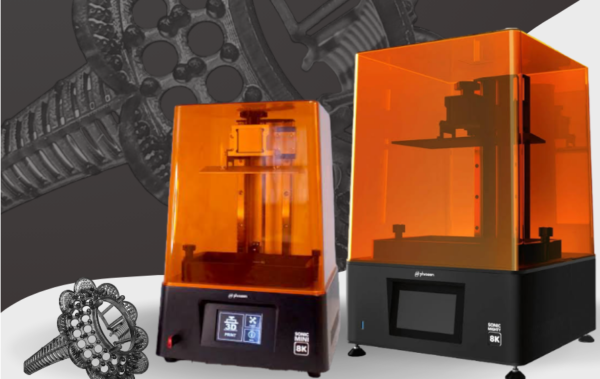
The GEM3 Dental can suit users with more moderate production requirements.
The GEM3 Max Dental becomes more attractive when additional printing space and batch production are important.
Both models are currently listed by MCast 3D as dental resin 3D printers.
View ProductDental Resin: Why Material Selection Matters as Much as the Printer
Choosing a suitable printer is only part of a dental 3D printing workflow.
The resin directly affects the properties and intended use of the finished print.
Different Applications Need Different Resins
A resin designed for dental models may not suit temporary restorations.
Similarly, surgical guide resin has different requirements from denture base resin.
Match the Material to the Workflow
Before purchasing resin, identify its intended dental application.
Check the manufacturer’s technical documentation and instructions for use.
This helps prevent unsuitable material choices and inconsistent results.
Dental Model Resin
Model resin is commonly used for producing physical dental and orthodontic models.
It should provide adequate detail and dimensional stability for the intended workflow.
MCast currently lists JAMG HE Ortho Model Resin and JAMG HE Pro Model Resin.
Temporary C&B Resin
Temporary crown and bridge workflows require materials with application-specific properties.
MCast lists Jamg HE Temporary C&B Resin for temporary crown and bridge applications.
Why Post-Processing Matters
Printing does not finish the workflow.
Cleaning, washing, curing, and finishing should follow the resin manufacturer’s instructions.
Proper post-processing can affect the final characteristics of the printed component.
Surgical Guide Resin
Surgical guide applications require particularly careful material selection.
MCast currently lists JAMG HE Surgical Guide Resin in its dental resin range.
The printer, resin, software, and processing method should work together as one workflow.
Choosing Dental Resin in Pakistan
Availability can also influence material selection for dental laboratories.
Having access to compatible resin locally can simplify ongoing production.
MCast currently offers several dental-focused resin options alongside its dental 3D printers.
Dental 3D Printing Workflow: From Digital Scan to Finished Model
A dental 3D printer works as part of a larger digital workflow.
The process usually starts with digital scanning and ends with post-processing.
Each stage can influence the accuracy and quality of the final model.
Step 1: Digital Scanning
The workflow can begin with an intraoral or laboratory scan.
Creating the Digital File
The scanner captures the required dental structures digitally.
The resulting data can then be prepared for the next stage.
Clean scan data helps reduce problems during design and printing.
Step 2: CAD Design
The digital scan is imported into suitable dental CAD software.
Preparing the Model
The design can be adjusted according to the intended application.
The final geometry should be checked before exporting the printable file.
Step 3: Print Preparation
The completed design is imported into slicing software.
Orientation and Supports
The model is positioned according to the chosen printing strategy.
Supports are added where necessary to improve print stability.
Exposure settings should match the selected printer and resin.
Step 4: Resin Printing
The prepared file is transferred to the dental resin 3D printer.
Producing the Model
The printer cures the resin layer by layer.
The printing process creates the physical model from the digital design.
Consistent printer settings can help improve repeatability.
Step 5: Washing and Drying
Freshly printed models contain uncured resin on their surfaces.
Removing Uncured Resin
The printed model should be washed according to the resin manufacturer’s instructions.
It should then be allowed to dry completely before curing.
Step 6: Post-Curing
Post-curing completes the material’s intended curing process.
Following Resin Instructions
Curing requirements vary between different dental materials.
Always follow the manufacturer’s recommended curing procedure.
Incorrect processing can affect the final properties of the material.
Step 7: Inspection and Finishing
The finished model should be inspected before entering the next workflow stage.
Checking the Final Model
Look for visible defects, damaged margins, support marks, or dimensional issues.
Critical surfaces should receive particular attention.
A consistent inspection process can help identify problems before the model is used.
Why the Complete Workflow Matters
A high-quality dental printer cannot compensate for poor preparation or incorrect post-processing.
The scanner, CAD software, slicer, printer, resin, and finishing process all work together.
For dental laboratories, establishing a repeatable workflow can improve consistency and reduce avoidable reprints.
How to Maintain Consistent Dental 3D Printing Results
Buying a suitable dental 3D printer is only the beginning.
Consistent results require proper preparation, printing, and post-processing.
Dental model accuracy can be influenced by several manufacturing parameters.
Keep the Printer Properly Calibrated
Printer calibration should be part of regular maintenance.
Check the Build Platform
A properly positioned build platform helps maintain consistent printing.
Follow the printer manufacturer’s recommended leveling procedure.
Also inspect the platform for cured resin or other debris.
Use Consistent Print Settings
Changing settings between similar jobs can affect results.
Exposure and Layer Settings
Exposure settings should match the selected resin and printer.
Layer thickness should also suit the intended application.
Avoid copying settings from another resin without verification.
Control Resin Handling
Resin should be stored according to the manufacturer’s recommendations.
Avoid Contamination
Keep different materials properly separated.
Filter resin when appropriate after printing.
Also keep the resin vat clean between production jobs.
Follow the Correct Post-Processing Procedure
Post-processing can affect the final accuracy of printed dental models.
Washing and Curing
Use the washing method recommended for the selected resin.
Allow the model to dry before post-curing.
Follow the manufacturer’s curing time and temperature requirements.
Inspect Important Prints
Not every print should be accepted simply because it completed successfully.
Check Critical Areas
Inspect margins, edges, surfaces, and other important features.
For demanding workflows, consider comparing the printed model against its digital design.
A controlled quality-check process can help identify recurring problems.
Keep Records of Successful Settings
Maintaining a record can make production more predictable.
Record the resin, exposure settings, layer height, orientation, and curing procedure.
This creates a repeatable workflow for future dental printing jobs.
Understanding the Cost of Dental 3D Printing
The cost of dental 3D printing involves more than the printer itself.
A complete workflow includes equipment, materials, software, and post-processing tools.
Understanding these factors helps dental professionals plan their investment more effectively.
Initial Equipment Investment
The printer is usually the largest initial expense.
Additional equipment may also be required depending on the workflow.
Essential Equipment
A typical setup may include:
- Dental resin 3D printer
- Wash and cure system
- Resin materials
- Resin handling accessories
- Software tools
- Cleaning supplies
The exact requirements depend on the intended dental applications.
Resin Costs
Different applications require different materials.
Dental model resin, surgical guide resin, and temporary restoration resin can vary in price.
Choosing the Right Material
Material selection should be based on application requirements rather than cost alone.
Using the correct resin can improve workflow consistency and reduce unnecessary reprints.
MCast currently offers several dental-focused materials, including model, surgical guide, temporary C&B, denture, and castable resins.
Production Efficiency
Cost should also be evaluated over the long term.
Looking Beyond the Purchase Price
A reliable workflow can reduce failed prints and material waste.
Batch printing may also improve efficiency in busy laboratories.
The goal is not only lower cost but also predictable production.
Small Laboratories and Growing Practices
Different facilities have different requirements.
Choosing According to Workflow
A smaller laboratory may prefer a compact setup.
Larger laboratories may benefit from printers with greater production capacity.
MCast currently offers both the Nova3D GEM3 Dental and Nova3D GEM3 Max Dental to support different workflow sizes.
Return on Investment
Many dental laboratories evaluate equipment based on workflow improvements.
Digital manufacturing can support faster model production and repeatable processes.
The actual return depends on production volume, materials, and applications.
Frequently Asked Questions About Dental 3D Printing
Dental 3D printing involves several technologies, materials, and applications.
These common questions can help dentists and dental laboratories understand the basics.
What Is a 3D Printer for Dentistry?
A dental 3D printer produces physical objects from digitally designed dental files.
Resin printers are commonly used when detailed and smooth models are required.
The suitable printer depends on the intended application and material.
What Is the Best 3D Printer for Dentistry?
There is no single best printer for every dental workflow.
The right choice depends on accuracy, production volume, materials, and intended applications.
MCast 3D offers the Nova3D GEM3 Dental and GEM3 Max Dental for dental-focused workflows.
Can a Dental Clinic Use a 3D Printer?
Yes, dental clinics can integrate 3D printing into suitable digital workflows.
Common uses include models, planning aids, and selected dental applications.
The printer and material must match the intended use.
How Accurate Are Dental 3D Printers?
Accuracy depends on the complete printing workflow.
Printer resolution, resin, calibration, orientation, supports, and post-processing all contribute.
There is also no universal accuracy threshold for every dental application.
Which Resin Is Used for Dental 3D Printing?
The resin depends on the intended application.
Model, surgical guide, temporary restoration, denture, and castable resins serve different purposes.
Always follow the resin manufacturer’s intended application and processing instructions.
Is Dental Resin Safe?
Safety depends on the specific material and its intended application.
Not every standard resin is suitable for dental use.
Materials intended for patient-contact applications require appropriate documentation and validated processing.
Is 8K Enough for Dental 3D Printing?
An 8K printer can provide substantial detail for many dental applications.
However, resolution alone does not determine final accuracy.
The complete printer, resin, settings, and post-processing workflow matter.
Is a Larger Dental 3D Printer Better?
Not necessarily.
A larger printer becomes useful when you need higher production capacity.
Smaller laboratories may prefer compact equipment with sufficient build volume.
How Long Does Dental 3D Printing Take?
Printing time depends on layer count, layer height, resin, printer, and model arrangement.
Post-processing adds additional time after printing.
Batch printing can improve productivity when several models are required.
Do Dental 3D Prints Need Post-Processing?
Yes, resin prints generally require washing and post-curing.
The exact process depends on the selected resin.
Following the manufacturer’s instructions helps maintain consistent results.
Can One Resin Be Used for Every Dental Application?
No.
Dental materials are developed for different applications and performance requirements.
Using the wrong material can produce unsuitable results.
A dental laboratory should select resin according to its specific workflow.
What Should I Look for in a Dental 3D Printer?
Focus on accuracy, repeatability, resin compatibility, build volume, software, and workflow reliability.
Consider your production requirements before comparing individual models.
The best printer should fit your complete digital dentistry workflow.
Is Dental 3D Printing Worth It for a Laboratory?
It can be valuable when a laboratory regularly handles digitally designed dental work.
The benefits depend on production volume, applications, materials, and workflow efficiency.
A proper cost analysis should include equipment, resin, post-processing, and maintenance.
Where Can I Buy a Dental 3D Printer in Pakistan?
Dental professionals in Pakistan can source dental 3D printing equipment through specialized suppliers.
MCast 3D offers dedicated Nova3D dental printers and dental-focused resin materials.
The available equipment can be evaluated according to your laboratory’s specific requirements.
Nova3D GEM3 Dental vs GEM3 Max Dental: Which One Fits Your Workflow?
MCast 3D currently offers both the Nova3D GEM3 Dental and Nova3D GEM3 Max Dental.
Both are designed for dental resin printing workflows.
The better option depends mainly on your production requirements and available workspace.
Nova3D GEM3 Dental
The GEM3 Dental can suit laboratories with moderate printing requirements.
Best Suited For
It may be a practical choice for:
- Dental clinics
- Small dental laboratories
- Dental technicians
- Digital dentistry workflows
- Regular model production
Its lower footprint can also make it easier to integrate into smaller workspaces.
Nova3D GEM3 Max Dental
The GEM3 Max Dental is better suited to users who need greater production capacity.
Best Suited For
It may be more appropriate for:
- High-volume dental laboratories
- Larger production teams
- Multiple-model printing
- Growing digital dentistry operations
A larger build area can allow more models to be arranged within one print job.
GEM3 Dental or GEM3 Max Dental?
The decision does not need to be complicated.
Choose the GEM3 Dental when your current workload does not require additional capacity.
Consider the GEM3 Max Dental when batch production and workflow expansion are priorities.
Both models are available through MCast 3D for customers in Pakistan.
A Practical Buying Approach
Before choosing either printer, consider your average daily workload.
Think about the number of models you print and your expected future requirements.
Also consider your available workspace, resin consumption, and post-processing capacity.
The best dental 3D printer is the one that fits your complete workflow.
Why Choose MCast 3D for Dental 3D Printing in Pakistan?
Choosing a dental 3D printer involves more than selecting a machine from an online catalog.
Dental professionals also need suitable materials, technical guidance, and access to supporting equipment.
Dental-Focused Printing Options
MCast 3D currently offers dedicated dental versions of the Nova3D GEM3 and Nova3D GEM3 Max.
Options for Different Workflows
The GEM3 Dental is positioned as a more compact dental printing option.
The GEM3 Max Dental provides greater capacity for users with higher production requirements.
This gives dental laboratories more than one option when evaluating their workflow needs.
Dental Resin Availability
A printer is only one part of a dental printing setup.
MCast also offers several dental-focused resin materials for different applications.
Materials for Specific Applications
The available range includes:
- JAMG HE Ortho Model Resin
- JAMG HE Pro Model Resin
- JAMG HE Surgical Guide Resin
- JAMG HE Temporary C&B Resin
- Denture Base Resin
- Dental Castable Resin
- Gingiva Mask Resin
The correct material should always be selected according to its intended application.
Support for Dental Printing Workflows
Getting consistent results can require adjustments to printer settings and resin profiles.
Technical guidance can help users understand the equipment and establish a repeatable workflow.
Buying With the Complete Workflow in Mind
Before purchasing, consider your printer, resin, washing, curing, and software requirements.
This approach can help avoid buying equipment that does not match your actual workflow.
MCast 3D serves customers in Pakistan and offers 3D printing equipment and materials through its online store.
Conclusion: Choosing the Right 3D Printer for Dentistry
A 3D printer for dentistry can become an important part of a modern digital dental workflow.
The right printer can support detailed models, orthodontic workflows, surgical guides, temporary restorations, and other applications.
However, choosing a printer should always start with the intended application.
Focus on the Complete Workflow
Print resolution is only one part of the decision.
Consider More Than Specifications
Think about accuracy, repeatability, build volume, resin compatibility, software, and post-processing.
The resin must also match the intended application and manufacturer’s requirements.
Choose According to Your Production Needs
A smaller dental laboratory may not need the largest available printer.
When More Capacity Matters
Growing laboratories may benefit from larger build volumes and batch printing.
The Nova3D GEM3 Dental and Nova3D GEM3 Max Dental provide options for different production requirements.
MCast 3D also offers dental-focused resin materials for various workflows.
Make an Informed Decision
Dental 3D printing works best when every part of the process is considered together.
The scanner, CAD software, printer, resin, settings, and post-processing all contribute to the final result.
If you’re looking for a dental 3D printer in Pakistan, MCast 3D can help you evaluate suitable equipment and materials based on your workflow.
The goal should not be to choose the printer with the biggest specifications.
It should be to choose the printer that reliably supports your dental workflow today and as your requirements grow.